

Every August, as Burning Man gets closer, my house slowly transforms into a staging area. Clothes hang from every available surface. Jewelry spreads across tables. Boots line the floor. Storage bins appear from closets. For a few weeks, my life revolves around one question.
How am I going to organize two weeks’ worth of clothing for one of the harshest environments on Earth?
This year I added something new to the process. I used generative AI to help me visualize every outfit, create printable look cards, and organize my packing in a way I had never attempted before. The experience reminded me that AI can be an incredibly practical creative tool when you use it thoughtfully.
That realization also felt a little ironic.
Burning Man has become one of the most openly skeptical communities when it comes to generative AI. I understand why. There are legitimate conversations to have about copyright, environmental impact, artist compensation, misinformation, and the flood of low quality AI content filling the internet. Those concerns deserve attention.
At the same time, Burning Man has always celebrated experimentation. It embraces technology, engineering, fabrication, digital art, and creative problem solving. We gather in one of the most inhospitable places imaginable to build temporary cities and enormous works of art simply because we believe creativity has value.
That spirit of experimentation is exactly what drew me toward using AI for this project.
Not to replace my creativity, but to extend it.
My Slightly Obsessive Burning Man Packing System
People often ask how I manage to pack for nearly two weeks on playa without completely losing track of my wardrobe.
The answer is surprisingly simple.
Every complete outfit goes into its own gallon Ziplock bag.
Each bag contains everything I need for that look. Clothing, jewelry, accessories, matching socks, and usually two pairs of underwear all stay together. Nothing gets separated. Nothing disappears into the bottom of a storage bin. When it’s time to get dressed, I grab one bag and everything I need comes with it.
The bags have another advantage that experienced Burners will appreciate.
Dust.
Ziplock bags are not airtight, but they do a remarkably good job of keeping playa dust off clothes that haven’t been worn yet. Instead of unpacking my entire wardrobe every morning, I only expose the outfit I’m wearing that day. Everything else stays relatively clean until I need it.
The system works so well that I’ve used it for years.
My work build clothing follows the same idea with one small difference. I usually arrive for Work Build and stay through Monday or Tuesday after the event, so I need several days of comfortable work clothes before Burning Man officially begins. Those bags contain tank tops, shorts, comfortable socks, and practical clothing for building camp. I don’t assign those to specific days. I simply grab whichever work bag comes next.
Organization has always been part of my Burn.
I am exactly the kind of person who would spend six hours color-coding a spreadsheet to save myself fifteen minutes later. This packing system isnot normal, i know this. I also don’t care. The week before Burning Man is chaotic enough without trying to remember which pair of goggles went with which coat.
The Problem I Wanted to Solve
A few weeks after packing, I rarely remember every accessory that belongs with every outfit. The details that felt so clear when I was assembling everything start to blur together, and I find myself second-guessing even the simplest combinations. Did the silver belt go with Tuesday or Thursday? Which necklace did I buy for the white party? Where did I put the bunny ears? Those small uncertainties add up quickly, especially when everything is sealed away in separate bags.
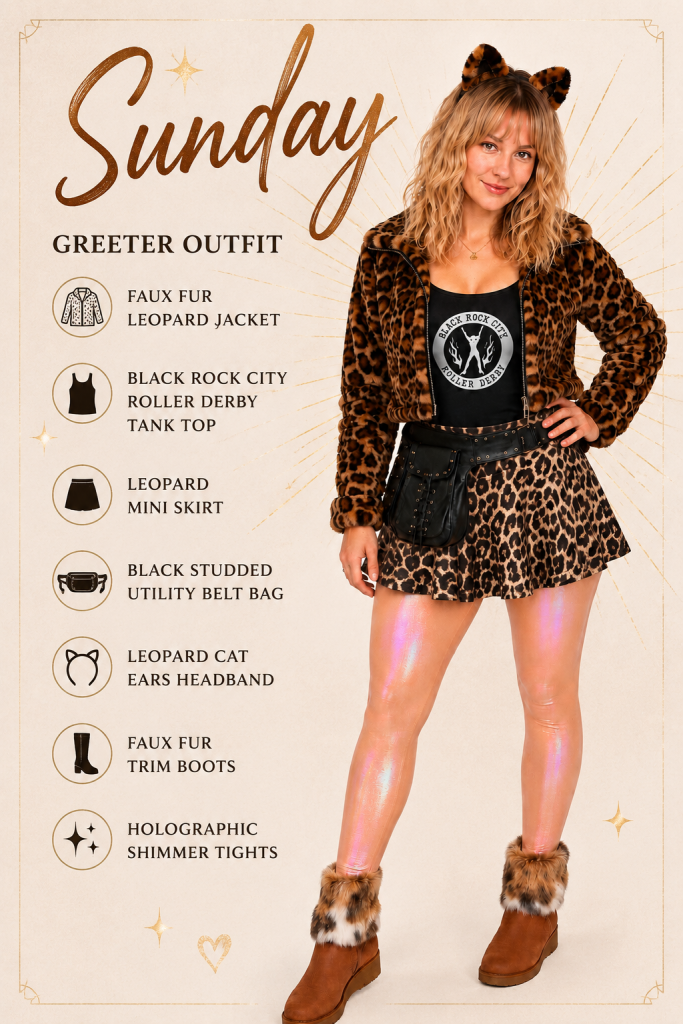
What I realized I needed was something visual to anchor all of those decisions. Instead of opening every bag to check its contents and piece things together from memory, I wanted a printed card that showed exactly what each completed outfit should look like. Alongside that image, I wanted a checklist of everything packed inside so I could confirm at a glance that nothing was missing.
In other words, I wanted adult paper dolls.
Using AI as My Wardrobe Stylist
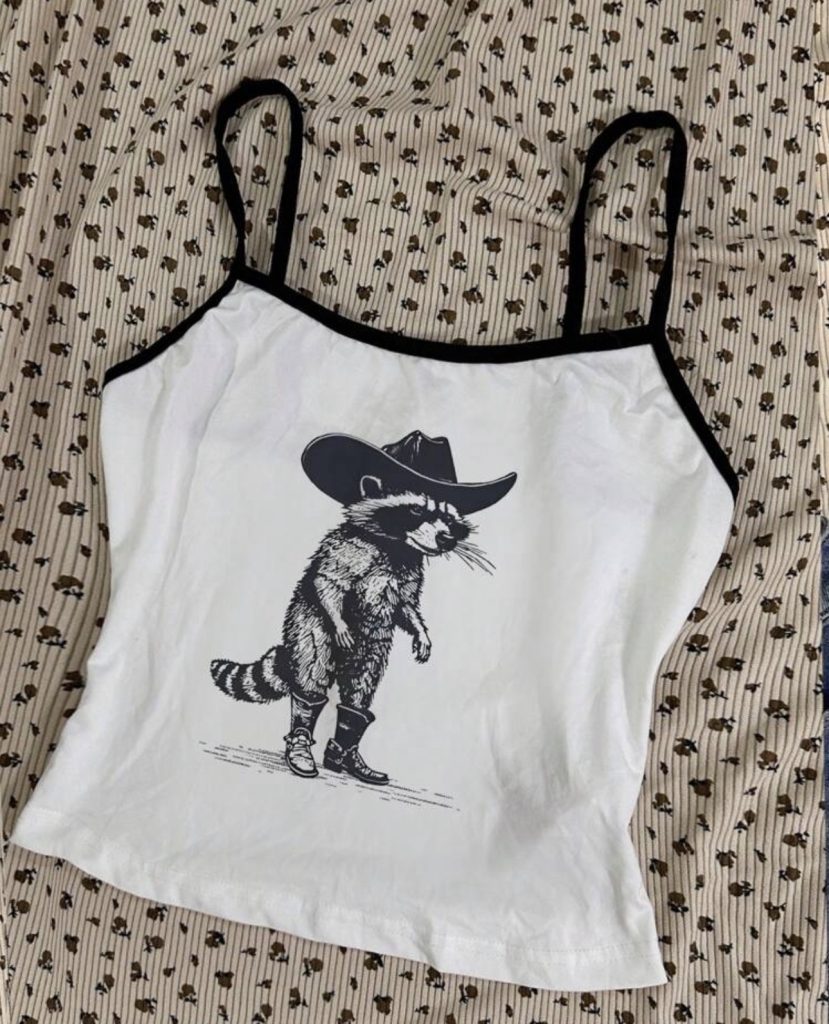
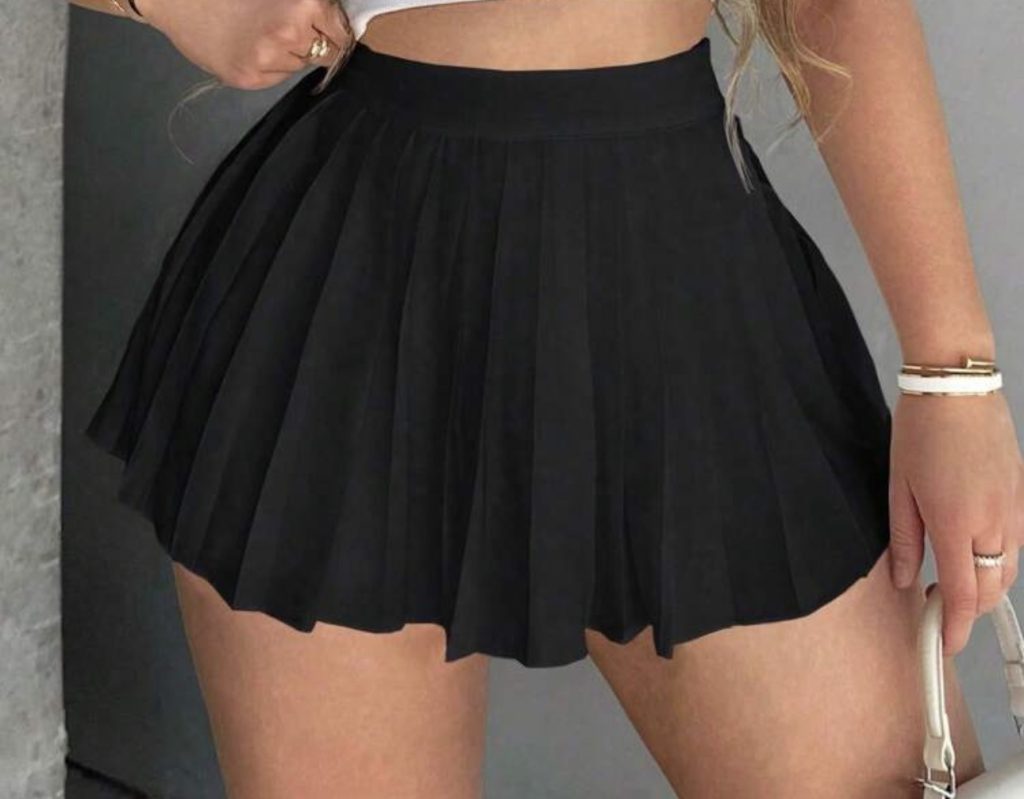
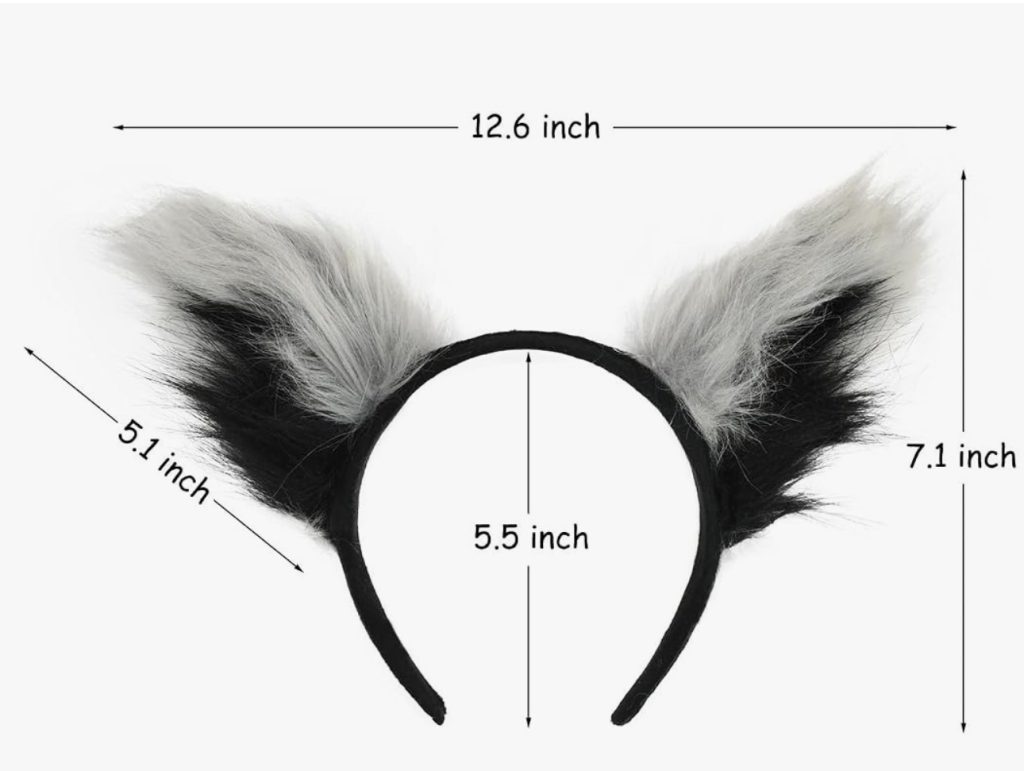
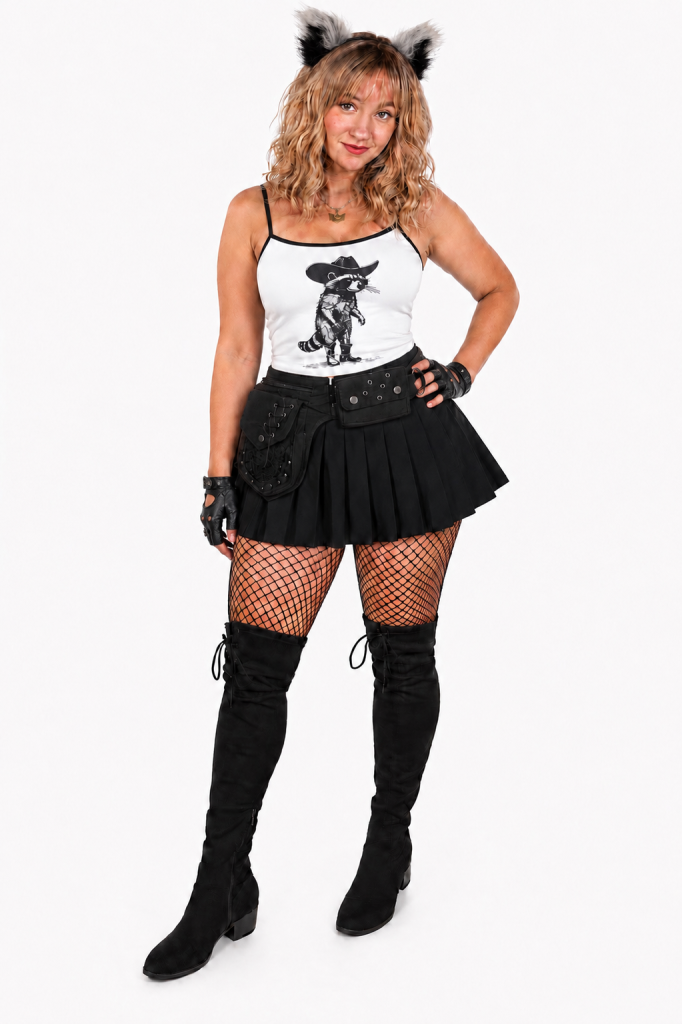
The workflow turned out to be surprisingly straightforward.
I started with a full body photograph of myself wearing ordinary clothes in a neutral pose, making sure the lighting was good so the AI would have a clear reference for my proportions and posture.
Next, I collected product photos from the websites where I had purchased each item. Jackets, skirts, dresses, boots, belts, hats, jewelry, gloves, coats, accessories, and everything else already existed as clean product photography from the retailers, which made them easy to use.
Then I asked ChatGPT to dress me. The prompts were simple at first: replace the outfit, use these boots, add this jacket, keep the white background, make it photorealistic.
As each outfit became more complex, the prompting became more detailed. Sometimes the AI nailed it on the first attempt, while other times we went through several revisions before everything looked right.
That iterative process became the real creative work.
Teaching AI What I Actually Look Like
One challenge became obvious almost immediately.
Generative AI likes to invent people. Sometimes my face changed, my hairstyle changed, or like in the image above it garbled color a bit. Often, it quietly decided I had lost twenty pounds. Instead of accepting those mistakes, I corrected them.
I uploaded additional reference photos of my face until it consistently resembled me. When the hairstyle drifted away from reality, I added more reference images showing my shoulder length hair. Whenever my body proportions changed, I reminded the AI that I am five feet tall, weigh about 165 pounds, wear a size 12, and have measurements that reflect my actual body instead of an idealized fashion model.
Every revision made the results more accurate. People often imagine AI as something that magically reads your mind, but it doesn’t. Better information produces better results. Just like working with a human artist, the quality of the outcome depends heavily on how well you communicate what you’re trying to achieve.
Building My Look Cards
Once each outfit looked the way I wanted, I turned those images into printable packing sheets that could travel with the clothing itself. I designed each page to be both functional and easy to read at a glance, making sure the visual layout matched how I actually think about getting dressed.
Every page includes a large rendering of the completed outfit, paired with a clearly organized list of the clothing, jewelry, and accessories packed inside that specific bag. Seeing everything together in one place makes it much easier to confirm that nothing has been forgotten before I seal the bag.
Those pages slide directly into the Ziplock bags, so each outfit carries its own reference guide. When I reach for a bag, I don’t have to rely on memory or dig through layers to figure out what’s inside.
Now every outfit has its own visual inventory, which adds a surprising level of clarity and confidence to the entire packing process. Instead of guessing or second-guessing myself, I can quickly verify exactly what I have prepared.
If I forget what belongs in a particular bag while unpacking after the Burn, I simply look at the card and immediately know what should be there. If something goes missing during the event, I also have a clear reference for what I’m trying to track down.
The entire system feels less like packing and more like building a personal costume archive, where each look is documented, preserved, and ready to be recreated whenever I want.
AI Didn’t Create My Style
One misconception I see often is that using AI means allowing a computer to make creative decisions for you. That couldn’t be further from what happened here.
I chose every piece of clothing and bought every accessory myself. I coordinated each outfit, deciding exactly what jewelry belonged with each look and how every layer worked together. Every creative decision was mine from start to finish.
The AI didn’t invent any of it. Its role was simply to assemble pieces I already owned into realistic visual references that helped me stay organized. If anything, it functioned more like a very patient stylist who never got tired of trying another combination.
AI Isn’t Automatically Slop
One of the easiest assumptions people make about generative AI is that it produces instant results with almost no effort from the person using it.
That wasn’t my experience at all.
I worked on this project off and on for an entire day. Spent hours shopping online for pieces I had already purchased so I could download clean product photos. I organized reference images, uploaded clothing one piece at a time, wrote prompts, revised prompts, corrected mistakes, adjusted body proportions, replaced faces, fixed hairstyles, swapped accessories, and repeated that process over and over until each outfit matched the vision I already had in my head.
None of that felt lazy.
It felt creative.
The difference wasn’t that AI removed the work. The difference was that it changed the kind of work I was doing.
Ten years ago I probably would have attempted something similar in Photoshop. I would have cut clothing out by hand, layered every piece individually, warped fabrics to fit my body, corrected shadows, adjusted perspective, and repeated that process dozens of times. Creating a complete collection of outfit cards could easily have taken several days of meticulous editing.
With generative AI, I accomplished the same goal in hours instead of days.
Burning Man and AI Have More in Common Than We Admit
Burning Man has always lived where art, technology, engineering, and experimentation intersect. Artists weld steel into impossible sculptures, engineers build mutant vehicles that look like science fiction, programmers create interactive installations, and designers imagine entire temporary worlds that disappear a week later. None of those things diminish human creativity simply because technology played a role in bringing them to life.
Generative AI deserves the same thoughtful evaluation. That doesn’t mean ignoring its problems. Environmental costs matter. Copyright matters. Fair compensation for artists matters. These are important conversations, and we should continue having them with care and intention.
At the same time, rejecting every practical application simply because the tool exists doesn’t move those conversations forward. Using AI to organize my wardrobe didn’t replace an artist; it helped me solve a problem. Sometimes innovation looks revolutionary, and sometimes it looks like a stack of labeled Ziplock bags that make getting dressed in the desert a little easier.
Final Thoughts
When I arrive on playa this year, every outfit will already be packed, organized, and waiting inside its own labeled bag. Every accessory will have a home. Every look will have a printed reference card. I’ll spend less time digging through bins and more time enjoying the experience I came there for.
AI didn’t design my wardrobe, create my style, or replace my creativity.
It simply helped me organize something I had already imagined.
To me, that’s where generative AI shines. Not as a replacement for human creativity, but as a tool that helps creative people spend less time wrestling with logistics and more time making the things only they could have imagined in the first place.
Leave a Reply